
Homes That Tell Sustainable Stories
The Origin Story Workshop
From Values to Material Choices
Materials With Memory and Low Impact

Reclaimed Timber, Real Provenance

Healthy Finishes, Honest Air
Traceability Through Digital Passports
Circular Design for Changing Lives
Design for Disassembly in Practice
The Furniture Rescue Bench
Flex Rooms That Grow With You
Light, Texture, and Sound as Story
Daylight Choreography
We model sun paths, position work surfaces near soft north light, and temper glare with louvers, sheer curtains, or deciduous planting outside. Light shelves bounce brightness deeper indoors. Warm-tone LEDs fill evening gaps, supporting circadian rhythms. Balanced illumination reduces energy loads while making stories on shelves and walls shine.
Acoustic Calm With Natural Fibers
Wool rugs, cork tiles, cellulose panels, and upholstered nooks tame echo without plastic-heavy foams. We calculate reverberation times, place absorbers strategically, and celebrate silence as a resource. Quieter rooms lower stress, improve conversation, and let subtle sounds—pages, teacups, laughter—become the gentle soundtrack of a thoughtful, sustainable household.


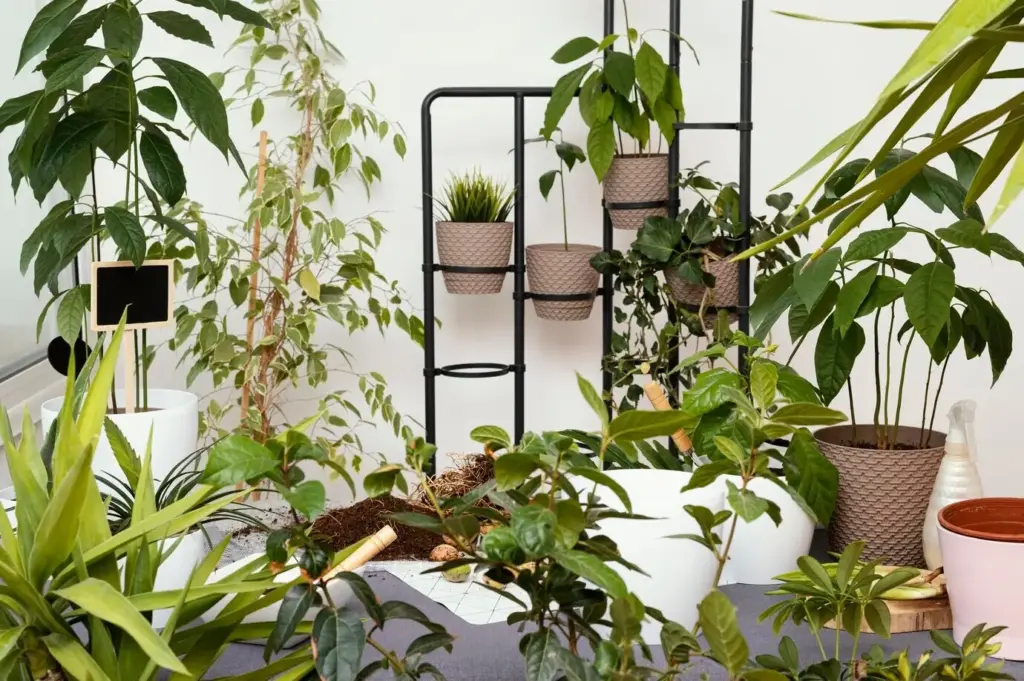
Biophilia and Local Craft
Measuring Impact, Inviting Participation
A Small-Data Dashboard for Daily Choices
Simple sensors and a friendly display reveal patterns: when to open windows, shift loads to off-peak hours, or adjust blinds. Insight replaces guesswork. We highlight achievable wins and frame setbacks as learning, building confidence that steady, small actions shape resilient, story-rich, environmentally considerate homes.
Material Carbon, Made Understandable
Embodied carbon can feel abstract. We translate kgCO2e into relatable comparisons, prioritize high-impact swaps, and document reasoning for transparency. Using Environmental Product Declarations, we balance durability, repairability, and emissions, ensuring choices remain accountable to both personal narratives and planetary boundaries over the home’s evolving life.
An Open House and Ongoing Journal
We encourage community walkthroughs—virtual or in-person—to share lessons learned, mistakes included. A living journal archives sources, maintenance notes, and updates, inviting feedback and fresh ideas. Join the conversation, subscribe for new stories, and contribute your experience so others can create kinder, narrative-rich interiors with confidence.