
Small Worlds, Big Futures: Designing Children’s Rooms That Grow Green Minds
Today we explore educational children’s rooms that teach sustainability through design narratives, blending stories, play, and science to shape daily habits. Expect practical ideas, kid-tested tactics, and heartfelt moments from real homes, plus gentle prompts inviting your family to participate, experiment, share photos, and subscribe for ongoing guidance and fresh, imaginative projects you can start this weekend.
Story-Led Spaces Children Can Live Inside
When rooms tell stories, children become active characters, discovering how their choices influence nature and community. Narratives stitched into walls, furniture, and play invite questions, experimentation, and empathy. This approach turns every corner into a chapter, gradually building understanding about water, energy, materials, and care for living things through delight rather than lectures or rules.
A Day in the Life of a Water Drop
Create a wall-length journey where a painted raindrop flows from cloud to gutter, through filters, to tap and garden. Add tactile textures and stickers that move, letting kids trace cycles with their fingers. Model conservation by awarding points when the shower timer sings, reinforcing that time, like water, is precious and shared.
The Journey of a Recycled Toy
Label shelves as stations—Use, Mend, Share, Recycle—then guide a toy’s evolving story. A small repair kit with big buttons and bright-thread patches encourages fixing before replacing. Celebrate each repair with a stamp on a passport, teaching that longevity carries adventure, craft, and pride, while reducing waste and saving family budgets meaningfully.
Forest-Friendly Wood and Clear Provenance
Use certified solid wood rather than mystery composites. Place a small tag under the desk showing forest region and a sketch of how selective harvesting works. Let children sand a tiny offcut to feel durability, then oil it together, learning maintenance rituals, gentle patience, and the difference between quick consumption and careful stewardship daily.
Textiles from Bottles, Nets, and Old Jeans
Transform bedding and cushions into stories of rescue. Recycled PET felt can be shaped into soft pinboards; denim panels become rugged book slings. Attach swatches and magnifiers so kids inspect fibers, guessing origins. Each tactile discovery prompts discussions about oceans, cleanup crews, and creativity that keeps useful matter cycling through loving hands repeatedly and purposefully.
Finishes You Can Breathe With
Explain why low-VOC paints and water-based sealers matter using a friendly air superhero chart. After painting together with safe rollers, open a window and measure freshness using a simple indoor air monitor. Children begin linking smell, comfort, and choices, recognizing that invisible ingredients shape how focused, playful, and well-rested they feel every single day.


Play Systems That Reward Sustainable Choices
Gamify the good. Small feedback loops make responsible actions exciting and self-directed. A light that glows green after quick tidy-ups, points for turning off power, or a treasure hunt that unlocks new books when recycling goals are met—these playful nudges sculpt habits gently, proving sustainability can feel like victory, curiosity, and cooperative family fun.
Circadian Glow for Rest and Wonder
Choose lamps that shift from sunrise peach to focused midday white, then to storytime amber. Explain the science with a simple sun path poster and stickers tracking wakefulness. Children notice how color influences feelings and focus, learning that aligning with natural rhythms helps memory, mood, and bedtime befriend each other without nightly negotiation struggles.
A Window Becomes a Weather Classroom
Place a cloud diary, thermometer, and wind streamer by the window. Each morning, record observations, then choose activities or clothing based on findings. The ritual builds autonomy and environmental literacy, and the sill becomes mission control, where curiosity steers decisions, turning forecasts into friendly guides for mindful, resilient days full of grounded choices.
Plants as Roommates and Mentors
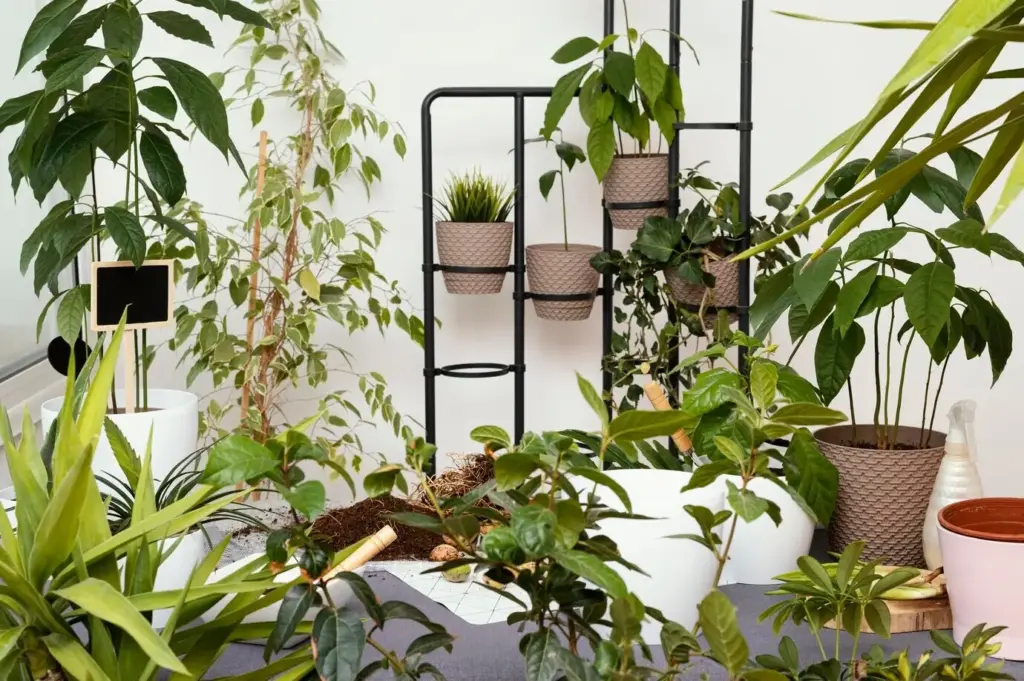
Adopt a forgiving plant—pothos or spider plant—and add a watering calendar with doodle spaces. Measure growth with a ribbon, celebrate new leaves, and discuss carbon, oxygen, and breath. Through companionship with living things, children practice gentleness, persistence, and gratitude, while air quality subtly improves and the room hums with quiet, supportive life.
Layouts that Grow Alongside the Child
Flexible rooms teach stewardship by avoiding waste. Adjustable desks, stackable crates, and transformable nooks evolve from preschool forts into tween studios without replacing everything. Involving children in reconfiguration seeds design thinking: they discover trade-offs, plan flows, and defend ideas, learning that reuse and creativity can outsmart impulse buying and unnecessary disposal every season intentionally.
Modularity as a Promise to the Future
Design with interchangeable shelves, reversible panels, and hardware that welcomes easy adjustments. Keep spare parts labeled in a clear box with illustrated instructions children can follow. When needs shift, reassemble together, highlighting how change does not demand replacement—only imagination, tools, and teamwork—cementing a mindset that prefers adaptation over landfill as a natural practice.
Scale Shifts that Celebrate Milestones
Low hooks rise as arms get longer; a reading cave stretches into a study alcove. Track these changes like growth marks on a doorway. Each shift becomes a celebration of capability, and the room’s elasticity shows that progress pairs beautifully with resourcefulness, avoiding constant consumption while honoring childhood’s evolving adventures and academic curiosities gracefully.
Repairability as a Family Ritual
Create a weekend fix table with simple tools, glue rated safe, and fabric patches. Document each repair in a cheerful ledger, adding doodles and lessons learned. Children start seeing broken items as invitations to learn, not trash, transforming small mishaps into proud stories that expand competence, creativity, and shared, sustainable resilience together meaningfully.
Stories from Real Rooms and a Warm Invitation
Mira’s Ocean Corner Inspired Plastic-Smart Habits
A five-year-old’s reading nook used recycled rope baskets and a fabric map showing gyres. After a story about turtles, Mira chose a metal bottle and led her daycare’s bottle-decorating drive. Her parents noticed fewer snack wrappers and more beach cleanups planned, proving gentle narratives can ripple outward through peers, neighborhoods, and families consistently and joyfully.
Jakob’s Energy Wall Sparked Experiments and Savings
A ten-year-old tracked plug loads with a kid-friendly meter. He graphed results beside art and made a challenge: power down beats new gadgets. Bills dropped modestly, but pride soared. His friends borrowed the meter, trading tips like cards, turning after-school hangouts into playful labs that nudge households toward smarter routines without shaming or nagging.
A Preschool Reading Nook Grew into a Seed Library
Teachers placed envelopes of local seeds beside picture books, plus a photo album of children’s gardens. Families returned with snapshots and notes, building a living archive of successes and muddy mishaps. The nook evolved into a swap shelf, strengthening community ties, food literacy, and shared responsibility, one tiny seed packet at a time so kindly.