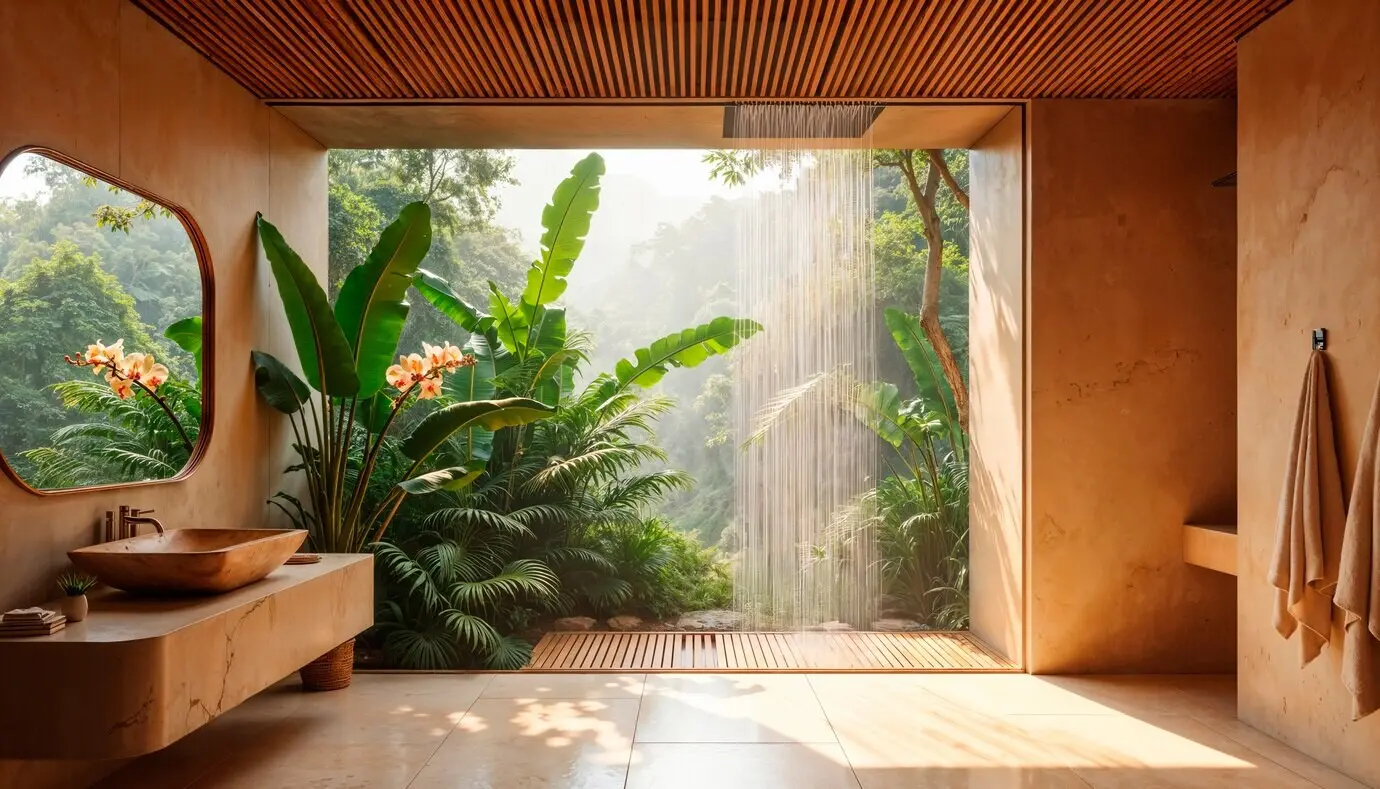
Rooms That Breathe With the Landscape

Step into an experience where architecture listens to rivers, courtyards remember soil, and windows frame migrations. Today we explore Biophilic Narratives: Connecting Interior Spaces to Local Ecosystems, weaving stories through materials, light, water, and life so your rooms belong to their surroundings and you feel belonging, too.

Finding Place Through Material, Light, and Air

Stone That Remembers Rain

Granite pulled from a regional quarry keeps memory in its pores: lichens once traced its face, rain polished edges, and frost wrote hairline scripts. Indoors, that memory softens glare, grounds footsteps, and invites people to touch carefully, reflect slowly, and recall storm days they watched from porches.

Timbers That Carry Woodland Aromas

Salvaged beams still carry faint terpenes, releasing a woodland whisper whenever sun warms the grain. That scent, paired with roughened knots and growth rings, helps offices feel less extractive and more reciprocal. Tell us which aromas transport you instantly outdoors, and how you might welcome them responsibly inside.

Airflows That Follow Hills and Streets

Cross-ventilation designed around neighborhood wind-rose patterns can channel evening coolness while filtering dust with plant-rich thresholds. When air follows local topography, sleepers rest easier and kitchens lose harsh heat. Share your experiences adjusting windows seasonally, and which outdoor signals tell you it is time to invite breezes in.

Mapping the Outside World Into the Floor Plan
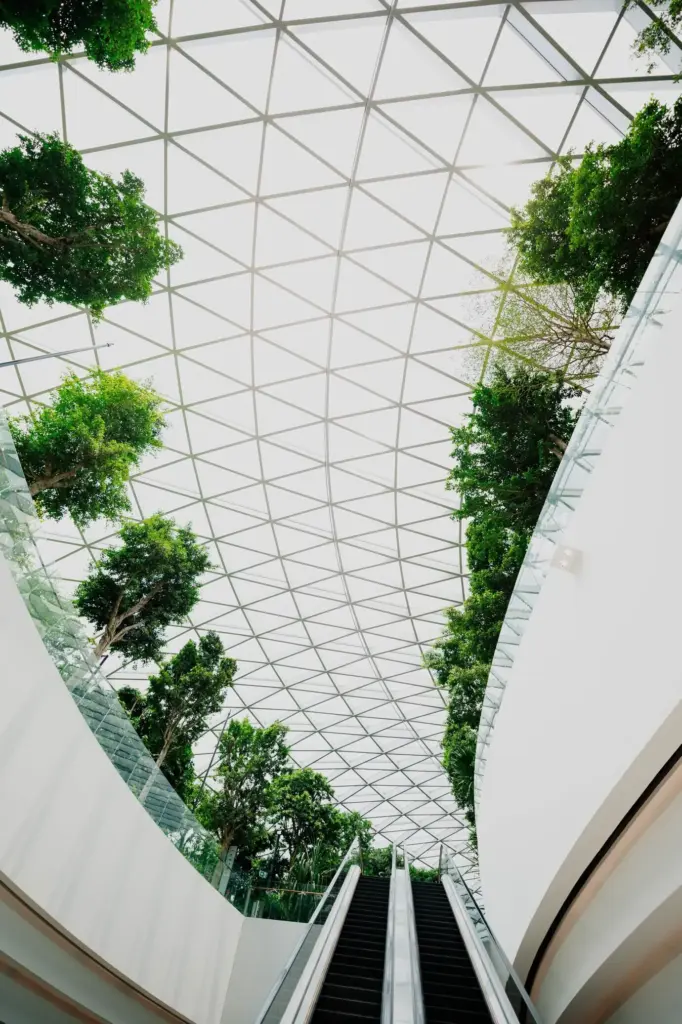
Watershed to Washbasin: A Quiet Hydrologic Dialogue
A simple graywater diagram placed near a sink can spark curiosity about rainfall patterns and recharge zones. When occupants see how rinses relate to upstream forests and downstream wetlands, they waste less and speak more gently about water. Share your biggest aha moment connecting faucets to landscapes.

Pollinator Pathways, Planters, and Morning Sun
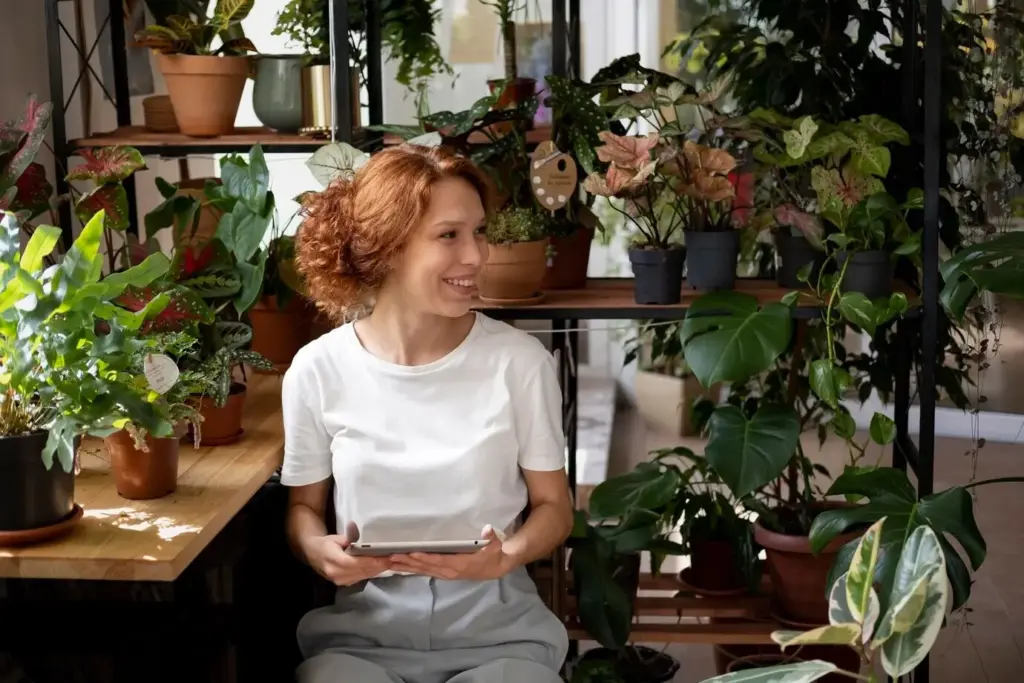
Balconies with nectar-rich native planters become waystations for bees and butterflies following seasonal corridors through the city. Inside, children chart arrivals on sticky notes, learning migration timing through play. Tell us which species visit your window boxes, and what morning light conditions seem to welcome them most.

Viewshed Choreography for Circadian Balance

Frame long views toward trees and slivers of sky to stabilize circadian rhythms, then layer translucent shades to soften contrast without stealing daylight. Staff report fewer headaches and improved mood. What view anchors your day, and how could you choreograph it more deliberately through small adjustments?

Human Wellbeing Backed by Evidence and Story

The science behind nature-rich interiors keeps growing, and it sits comfortably beside lived stories. Heart-rate variability, cortisol levels, and attentional restoration improve with views of foliage and textured light. Meanwhile, a neighbor’s tale about a fern rescuing their focus can persuade faster than charts. Share both.

Design as Storytelling: Characters, Arcs, and Climaxes

Let design perform like storytelling, where materials are characters, sequences become plot, and seasonal shifts deliver surprise. Rooms welcome curiosity when they reveal origins, journeys, and relationships. Invite colleagues to co-author by naming the living forces present, and propose small acts that advance the narrative each week.

Characters: Moss, Clay, and Local Water Become Protagonists

Introduce each material with a brief provenance note, perhaps etched or printed beautifully: which valley the clay remembers, whose hands shaped it, how runoff is reduced by its finish. These stories humanize choices, nurture care, and turn maintenance into a respectful continuation of the plot you all share.

Arc: Seasons Turn the Page in Color and Scent

Curate a calendar of plant textures, blossom colors, and scents that unfolds across months, so hallways never feel frozen in one note. People anticipate transitions, preparing emotionally for change. Which seasonal cue tells your household a turning is near, and how might interiors echo that signal gracefully?

Climax: A Rain Event Performing Across a Courtyard

Let gutters, pools, and permeable courts become a stage for rainfall, visible from worktables and sofas. When storms arrive, everyone pauses to watch patterns, compare rates, and quietly celebrate replenishment. Share a moment when weather became collective theater, and what you learned by simply witnessing water move.
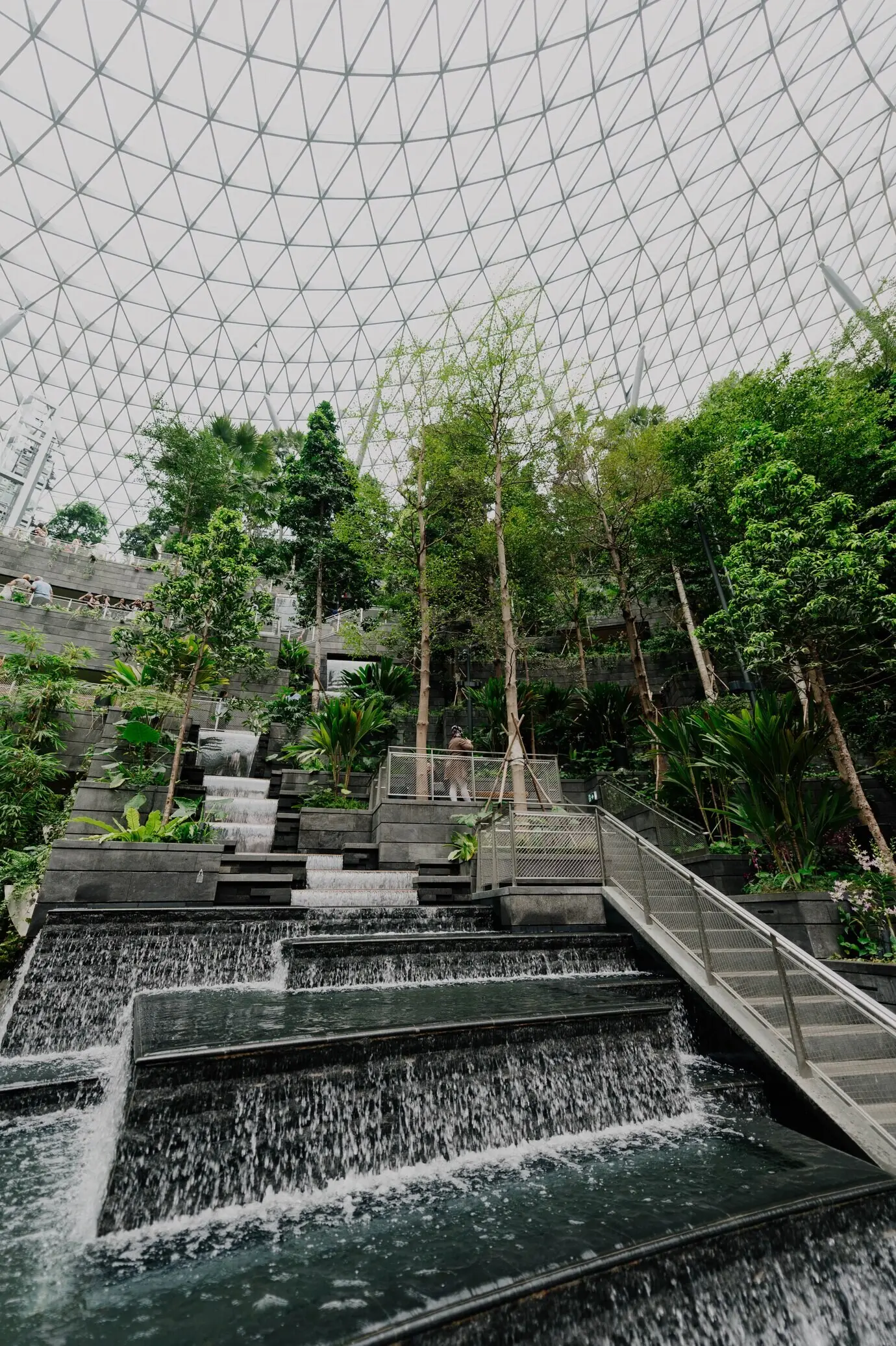
Winter Light, Summer Shadows, Autumn Compost
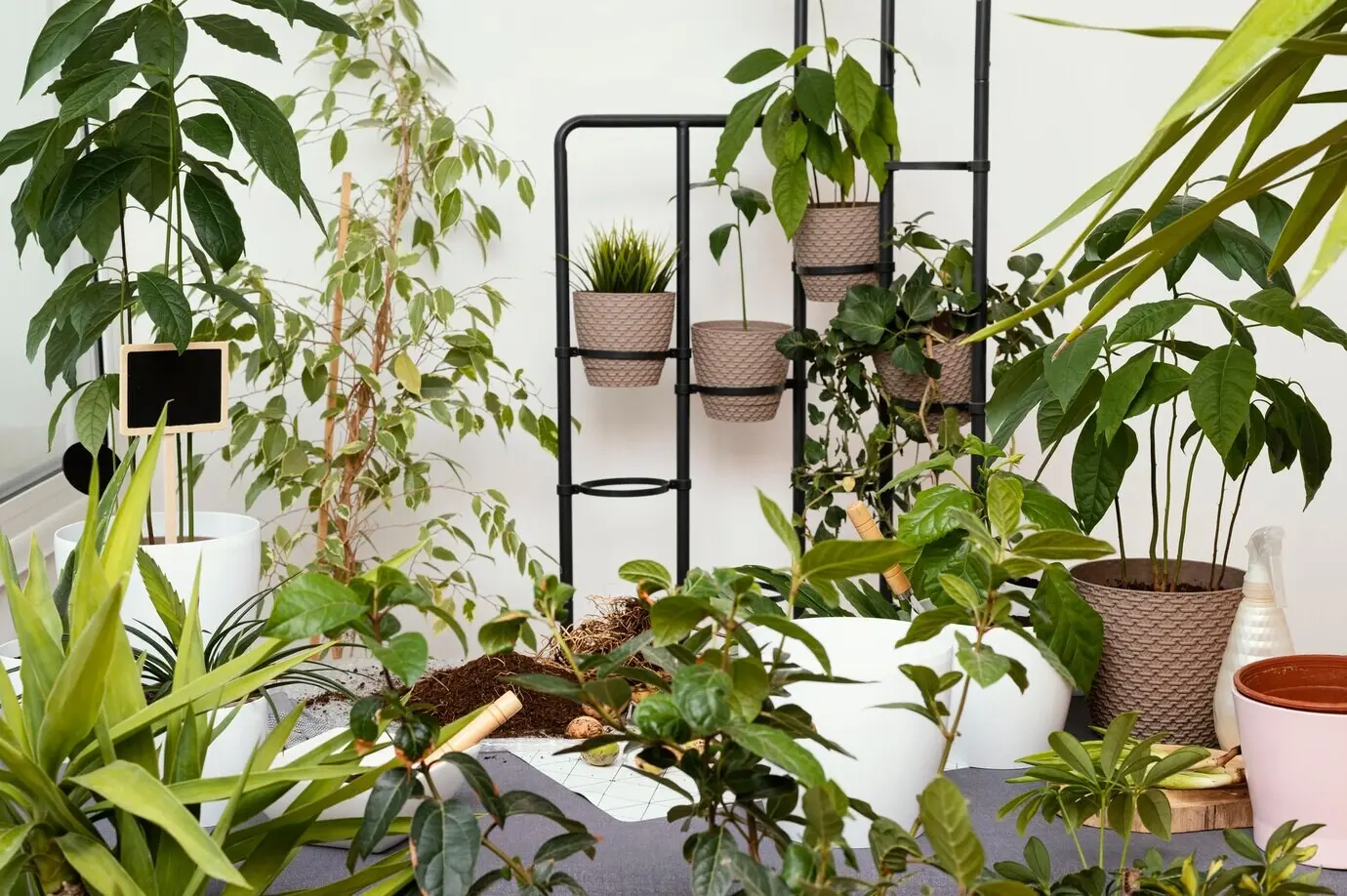
Winter rewards low-angle sun; summer begs for deciduous shade; autumn offers leaf mulch for soil health. Interiors can echo these rhythms with adjustable screens, compost stations near kitchens, and plant rest periods. Which seasonal chore brings you joy, and how could the space remind you when to begin?

Care Rituals That Build Attachment and Knowledge

Weekly care circles transform buildings into learning grounds. People trade pruning tips, swap cuttings, tune sensors, and document wildlife sightings near vents. These rituals build accountability and delight. Share a maintenance habit worth adopting, and tag someone who might join you in tending life where you work.

Community, Memory, and Co-Creation

Places endure because people tell stories together. Invite neighbors, students, and scientists to trace past habitats, lost springs, and remaining corridors, then weave those memories into thresholds and courtyards. Subscribe for upcoming interviews and share who in your area carries ecological memory that deserves a microphone and seat.

Walking Interviews With Elders and Field Biologists

Host listening walks at dawn, letting elders recall floodmarks while biologists translate bird calls. Record simple maps that capture feelings alongside data. These meetings reveal overlooked edges where interventions matter most. Whose perspective feels missing in your process, and how will you invite it respectfully and meaningfully?

Workshops That Plant Windowsills and Civic Pride

Gather around potting soil and sketches. Residents choose native plants, craft small habitats, and sign care agreements. Laughter builds belonging faster than signage. Post photos of your planter workshops, and list what you learned about neighbors’ hopes while your hands were happily dirty together one afternoon.

Children as Citizen Naturalists Inside the Classroom

Children become extraordinary observers when given field notebooks and magnifiers. Inside classrooms, they catalog window visitors, grow propagations, and exchange seed stories with grandparents. Their notes often guide serious improvements. Invite the youngest voices to comment here, and promise to implement one idea during the next month.
Zumivopozimoxakuvimafuha
Privacy Overview

This website uses cookies so that we can provide you with the best user experience possible. Cookie information is stored in your browser and performs functions such as recognising you when you return to our website and helping our team to understand which sections of the website you find most interesting and useful.